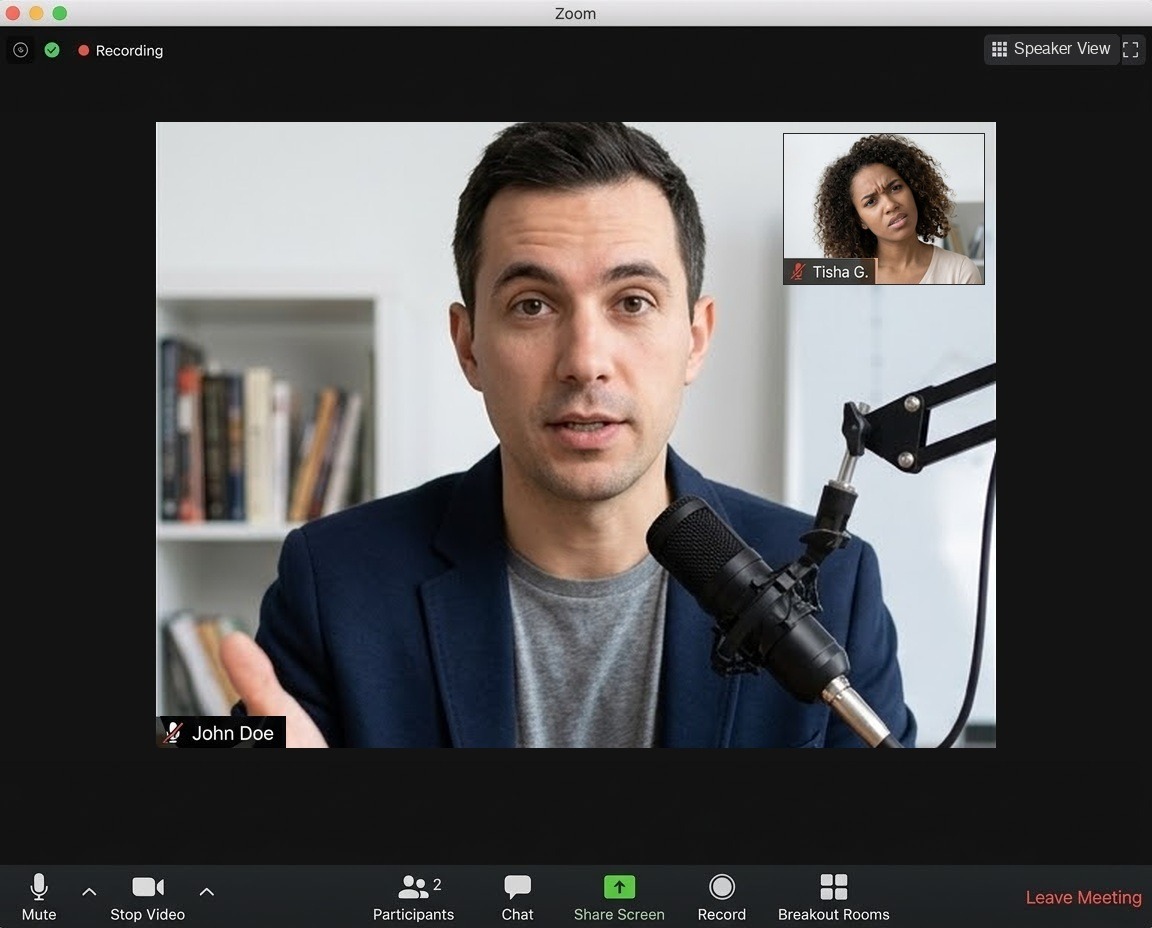
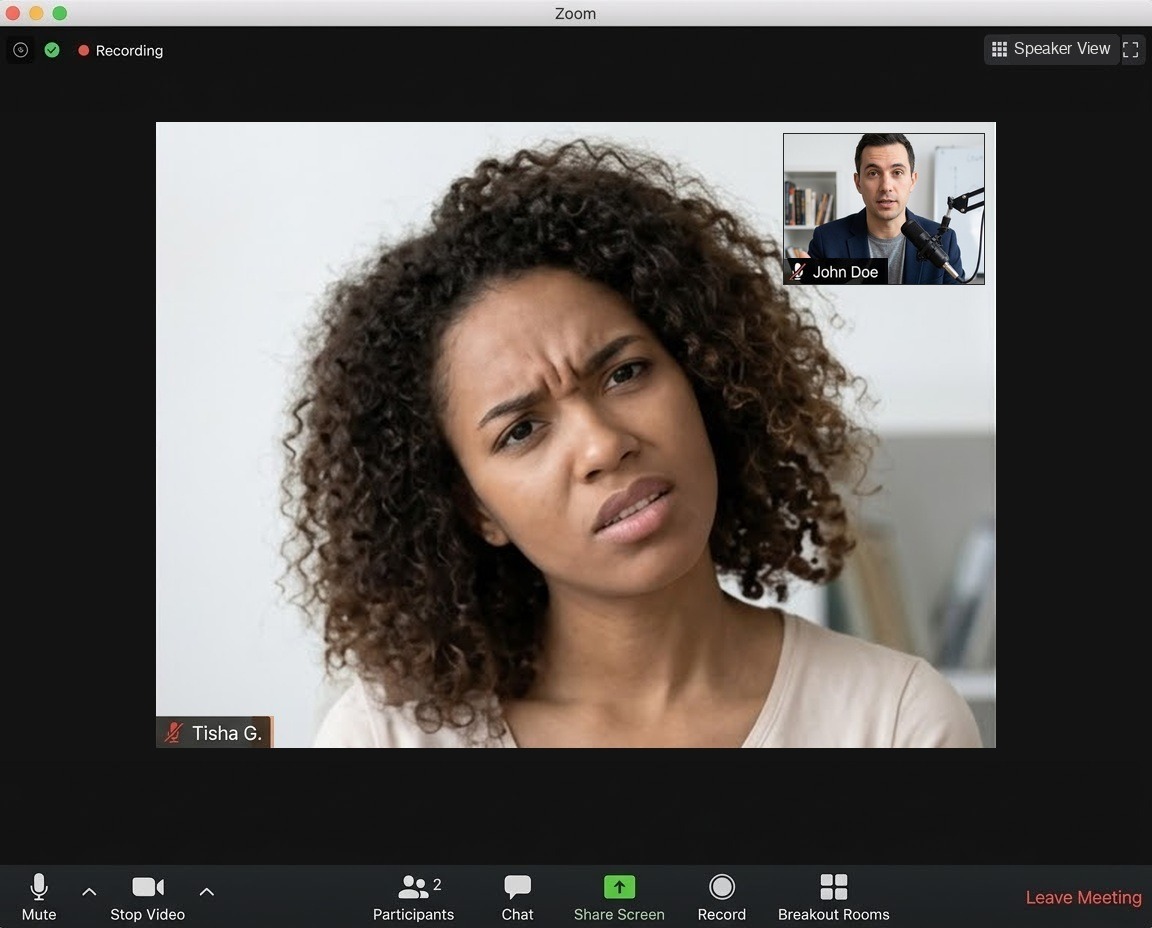
Same meeting, same facts, same person talking. The first version is the one in the specialist’s head. The second is what came out of their mouth. One of them gets a login and a decision by Friday. The other gets “Okay.”
I have spent twelve years on both sides of that table. I have been the SEO explaining crawl budget to a plumber. I have been the project manager watching a designer say “visual hierarchy” to an owner who wanted to know why the phone number moved. And I have written that second paragraph myself, more than once, and received the one-word reply. “Okay” is not agreement. It is surrender.
Jargon does not make us sound expert. It makes the client stop asking questions, and a client who has stopped asking questions is a project that has started drifting.
The short answerTranslate every technical term into what it costs or earns the client. Lead with the decision you need, give one number, name what happens if they do nothing, and define a term once before using the plain word from then on. Below: five rules, a three-column translator for SEO, analytics, design, development and project management, a reverse table for clients, and a real client update rewritten before and after.
If you are the client: skip to “What you say, and what your agency hears” near the end, then come back. The translator in the middle is yours too.
Why experts talk like this, and why defining the terms does not fix it
In 1990 a Stanford researcher named Elizabeth Newton ran an experiment that Chip and Dan Heath later made famous in Harvard Business Review. One person tapped out the rhythm of a well-known song on a table. Another person had to name it. Tappers predicted listeners would get it half the time. Listeners got it about one time in forty. The tapper hears the whole song in their head. The listener hears knocking.
That is every client meeting. We hear the song. They hear knocking.
The fix most of us reach for, explaining the term, turns out not to work. A 2020 study of 650 adults at Ohio State, published in the Journal of Language and Social Psychology, found that specialized language lowered readers’ interest and made them feel less qualified to discuss the topic. Adding definitions made no meaningful difference. The lead author, Hillary Shulman, put it plainly: difficult, specialized words are a signal that tells people they do not belong.
A glossary does not cure jargon. The client still feels talked over, now with footnotes.
So the answer is not to explain our words better. It is to replace them with the client’s words, which are always the same four: customers, money, time, and risk.
1 in 40listeners who could name the song a tapper was tapping; tappers predicted 1 in 2Newton, 1990, via HBR
0improvement from adding definitions to jargon-heavy textSame study
Five rules for talking to clients about website work
1Rule one
Lead with the decision, not the diagnosis
Most updates are written in the order the work happened: what we looked at, what we found, what it means, what we recommend. The client reads the first two lines and gives up. Flip it. The first sentence is the decision you need. The diagnosis goes underneath for anyone who wants it.
Try this“Could I get a yes or no from you by Friday on moving the phone number to the top of every page? Here is why I’m suggesting it.”
2Rule two
End every term in customers, money, time or risk
If a sentence does not end in one of those four, the client cannot act on it. “Your Core Web Vitals are failing” ends in nothing. “Your site takes six seconds to load on a phone, and about half of visitors leave before it finishes” ends in customers. The rule works as a test: read your sentence, find the last noun, and ask whether the client would pay for it.
Customerswho it brings in or loses
Moneywhat it costs or earns
Timewhen, and how long
Riskwhat breaks if we wait
Try this“This fix is a day of work and it affects the page that brings in a third of your calls.”
3Rule three
One number per update
A report with forty numbers has no numbers. The client cannot tell which one matters, so none of them do. Pick the one that proves your point this month and put it in the first paragraph. The rest can live in an attachment that nobody has to open. I wrote about which numbers belong on page one of a website report; the same logic applies to a two-line email.
Try this“Calls from the website: 42 this month, up from 18. That is the only number you need this month.”
4Rule four
Define once, then use the plain word forever
You will sometimes need the real term, because the client will hear it from someone else. Say it once, in parentheses, next to the plain version. Then never say it again. “The forwarding rules (what we call redirects) are set up.” After that it is “the forwarding rules” for the rest of the project.
Try this“We’re fixing the pages Google can’t read (indexing problems). There are eleven of them.”
5Rule five
Before you send it, ask what they would do with it
Read the update as the client. Not “do they understand it” but “what would they do after reading it.” If the honest answer is “nothing, they would wait for me to tell them,” the update is a diary entry, not communication. Rewrite until the next action is obvious and belongs to someone.
Try thisEnd with one line: “What I need from you: nothing this week.” Or: “What I need from you: pick A or B by Thursday.”
The translator: what we say, what the client hears, say this instead
The middle column is the one to read. It is not a joke at the client’s expense. It is an honest guess at what lands when we say the thing on the left, and most specialists wince a little when they read their own row.
SEOSEO8 swaps
What we sayWhat the client hearsSay this instead
“We need to fix your crawl budget.”“Google charges for this?”“Google only looks at so many of your pages each visit, and right now some of that attention goes to pages that don’t need it. We can steer it toward the pages that bring in business.”
“Impressions are up 40 percent.”“Great, so more customers.”“Your site showed up in 40 percent more searches. Clicks haven’t caught up yet, so the next step is helping people choose you once they see you.”
“You have thin content and keyword cannibalization.”“My website is eating itself.”“You have three pages about the same service, and Google can’t tell which one to show, so none of them gets the credit it deserves. Combining them into one strong page should help.”
“We’ll build backlinks to improve domain authority.”“Something about links. Is this the spam thing?”“When other real sites mention yours, Google trusts you more. We’ll get you mentioned by the local news, your suppliers and the trade association.”
“The page is noindexed.”“?”“Your contact page is hidden from Google. People searching for you can’t find it yet. It’s a quick fix on our side.”
“Your Core Web Vitals are failing.”“Is this a medical thing?”“On a phone your site takes six seconds to load. Many people won’t wait that long. Here is what it would take to get it under three.”
“We’ll add schema markup.”“Fine, whatever that is.”“We’ll label your hours, reviews and prices in a way Google can read, so they show up right in the search result.”
“Rankings dropped after the core update.”“You broke something.”“Google changed how it judges sites last week. Two of your pages lost some ground. Here is what Google now rewards and what we’d adjust.”
DATAAnalytics and reporting6 swaps
What we sayWhat the client hearsSay this instead
“Bounce rate is up.”“People hate my site.”“More visitors leave after one page. On your pricing page that’s worth a look. On your directions page it’s fine, they got what they came for.”
“We’ve set up GA4 with key events and GTM.”“Letters.”“From now on, every call and form from the website gets counted, and we’ll know which page it came from.”
“Sessions are up 22 percent month over month.”“Is that good? Should I be happy?”“More people visited. Leads held steady, so the extra visitors aren’t buyers yet. That’s where I’d focus next, rather than on more traffic.”
“Attribution is last-click by default.”“?”“The report gives all the credit to the last thing a customer clicked, so it undercounts anything that started the conversation. It’s best to read the channel numbers as a floor rather than the whole picture.”
“Conversion rate is 2.1 percent.”“That sounds terrible.”“About 2 in 100 visitors contact you. For your industry that’s normal. Getting it to 3 would mean roughly 15 more calls a month without any new traffic.”
“We don’t have a baseline.”“You’re making excuses.”“We don’t have last year’s numbers written down, so it’s hard to show what changed. Let’s record them now so next time we have a clear comparison.”
UXDesign and UX6 swaps
What we sayWhat the client hearsSay this instead
“The CTA needs more contrast.”“The designer wants it uglier.”“The button people need to click blends into the page. Making it stand out usually means more calls. Here are two versions.”
“We’re improving the visual hierarchy.”“You’re moving things around.”“Right now the first thing a visitor sees is your logo. I’d suggest leading with what you do and how to reach you. Here is a version with that order.”
“It’s above the fold.”“Like a newspaper?”“It’s on screen before anyone has to scroll, on a phone, which is where most of your visitors are.”
“The wireframes are ready for review.”“Why is my website grey boxes?”“Here is the layout with no colors or photos yet, on purpose. Today I’d just love your take on whether the order of things makes sense.”
“We need final copy before mockups.”“You want me to do your job.”“If I design around placeholder text, we usually end up adjusting once the real words arrive. Even rough copy from you now saves us both a round later.”
“Cognitive load is too high on this page.”“?”“There are nine things asking for attention on this page, and visitors tend to hesitate. I’d suggest focusing on three. Here’s what that looks like.”
DEVDevelopment6 swaps
What we sayWhat the client hearsSay this instead
“We’ll 301 the old URLs.”“Something about numbers.”“Every old web address will automatically forward to the right new page, so nobody lands on an error and Google keeps your rankings.”
“It’s on staging.”“Is it live? Can my customers see it?”“It’s on a private copy of the site only you and I can see. Nothing changes for customers until you say go.”
“The API integration is blocked.”“You’re stuck and it’s going to cost me.”“Your booking tool needs to give us an access key before it can connect to the site. I’ve asked their support. If you have a contact there, a note from you might speed it up.”
“We need DNS access to point the domain.”“I don’t know what that is or who has it.”“Your web address is registered somewhere, probably GoDaddy or whoever built the last site. The login is what lets the new site go live. If you can track it down this week, we stay on schedule. Happy to help you look.”
“There’s a lot of technical debt in the theme.”“You want more money.”“Some of the earlier setup works today but tends to break when the platform updates. We can patch each issue as it comes up, or fix the underlying cause once. Here are both options with costs.”
“It’s a caching issue.”“You’re blaming the computer.”“Your browser is showing you an old saved copy of the page. The change is live. If you hold Shift and click refresh, it should appear.”
PMProject management6 swaps
What we sayWhat the client hearsSay this instead
“That’s out of scope.”“No.”“Good idea. It’s outside what we originally planned, so there are two ways to do it: add it now for X, which moves launch by about a week, or do it right after launch. Which works better for you?”
“We’re waiting on deliverables from your side.”“You’re blaming me.”“There are three items on your side that unlock the next step: the logo file, the return policy, and the domain login. Which is easiest to get to me first?”
“That’s your second revision round.”“You’re counting my emails?”“We planned for two rounds of changes and this is the second. If you can gather everything into one list by Friday, it’s all covered. Anything that comes up after that we can scope separately.”
“We’ve hit a dependency.”“?”“The product pages are built around the photos, so those come first. Photos are due Tuesday, which means pages start Wednesday.”
“Let’s do a post-launch retro.”“Another meeting.”“Thirty days after launch, I’ll show you the numbers against last year’s and we decide what to fix first. One meeting, one page.”
“We need to align on the MVP.”“Most valuable player?”“What is the smallest version of this site that lets you take an order? We launch that first, then add the rest while it’s already earning.”
Notice what every right-hand column has in common. It names the customer, the dollar, the day, or the risk. The left column names the tool.
A client update, before and after
Here is a status email of the kind that goes out from agencies every Friday, followed by the same email written with the five rules. The facts are identical. Only the order and the words change.
Before
From: Your agencyTo: OwnerSubject: Weekly status
Hi, this week we completed the technical audit and identified several issues impacting organic performance, including 11 noindexed pages, a canonicalization conflict on the services section, and CWV failures on mobile (LCP 6.2s). We also began wireframing the new IA. GA4 is configured with key events via GTM. We are currently blocked on DNS access and the final copy deck for the services pages. Next week we will continue with wireframes pending feedback and begin remediation of the audit findings. Let us know if you have any questions.
After
From: Your agencyTo: OwnerSubject: Two things I could use by Friday
1. The login for wherever your web address is registered (probably GoDaddy). That is what lets the new site go live, so it sets the launch date.
2. Rough text for your five service pages. Rough is fine. Designing around real words saves us a second round later.
What we found this week: eleven of your pages are hidden from Google, including the contact page. We’ll fix that Monday; it’s a day of work and the contact page brings in a third of your calls.
One number: your site takes 6 seconds to load on a phone. Under 3 is the goal. Quote for that comes next week.
Nothing else needs your time this week.
Same facts, same week, same project. The first version is a diary. The second one gets two decisions made and a login found.
What you say, and what your agency hears: the table for clients
This runs the other way, and it is just as real. Clients have a vocabulary too, and some of it leaves the specialist with nothing to act on. If you are the owner, these swaps get you better work faster, because they turn a feeling into a choice.
What you sayWhat the specialist hearsAsk this instead
“Make it pop.”“Change something, I’ll know it when I see it.”“Which of these two should people see first, the phone number or the offer? Show me both.”
“I want to be number one on Google.”“For a phrase you haven’t named, by a date you haven’t set.”“Which three searches bring in the customers I actually want, and where am I on those today?”
“Can you just add a quick page?”“Unpaid work that will take a day.”“What would a new page for X cost and change in the schedule? Is it worth doing before launch or after?”
“Traffic is down, what did you do?”“Defend yourself.”“Traffic is down. Is it the season, Google, or the site, and how would we know?”
“I don’t like it.”“Start over.”“The part that bothers me is the headline. It doesn’t sound like us. Here is how we’d say it.”
“Send me the report.”“Export everything.”“Give me one sentence at the top: did the website make money this month, and what’s the one thing to fix?”
“My nephew says we should be on TikTok.”“Here we go.”“Where do my customers actually find businesses like mine, and what does it cost to show up there well?”
The best question a client can ask is “what happens if we do nothing?” It forces the specialist to name the cost, and a cost is the only thing you can weigh.
What plain language is not
It is not dumbing down. The Nielsen Norman Group’s research on expert readers found that specialists prefer plain language too, because they are busy and they are reading on a phone between meetings. A surgeon, a CFO and a plumber all want the decision first.
It is not vagueness either. “We optimized the site” is plain and says nothing. “We made the eleven hidden pages visible to Google” is plain and says exactly one thing. Plain language is more specific than jargon, not less, because it has to name the actual thing instead of the category.
And it is not the client’s job to learn our words.
We are the ones being paid to be understood.
Questions people ask about explaining website work to clients
How do you explain SEO to a client who does not understand it?
Translate every term into what it costs or earns them. Instead of rankings, impressions and backlinks, talk about which pages bring in calls, what Google cannot read on the site, and which fix brings the most customers for the least money. Lead with the decision you need, give one number, and define a term once before using the plain word from then on.
Why does jargon hurt client relationships?
The Ohio State study found that specialized language lowers interest and makes readers feel less qualified to discuss the topic, and that definitions do not fix it. A client who feels talked over stops asking questions, and a client who has stopped asking questions is how a project drifts. Plain language is the only way the client can make the decisions you need from them.
What should a client update contain?
The decision you need, what it costs or earns, one number that proves the point, what happens if they do nothing, and a date. Everything else goes below a line or in an attachment. If the client can answer in one sentence, the update worked.
What should clients say to get clearer answers from their agency?
Ask what each item means in customers or dollars, ask which single thing matters most this month, and ask what happens if nothing is done. Replace “make it pop” with a choice between two options, and ask for a one-sentence summary at the top of every report.
Before you send the next update, check it against these
Five questions, one per rule. If any answer is no, the update is not ready.
- Is the decision I need in the first sentence, with a date?
- Does every technical term end in customers, money, time or risk?
- Is there exactly one number in the first paragraph?
- Did I define each real term once, in parentheses, and then stop using it?
- If the client reads only this, do they know what to do next and that it belongs to them?
And one for the client: if you cannot say what happens if you do nothing, you have not been given enough to decide. Ask.
Newsletter
Get Insights in Your Inbox
Real lessons from managing websites that have to make money: conversion, SEO, UX, and the project decisions behind them. No spam, and you can unsubscribe anytime.
Currently Available
Looking for a Website Project Manager Who Can Own It All?
Whether you’re building something new or keeping a site running, I’m currently taking on new work. Tell me about it, and I’ll tell you exactly how I’d manage it.